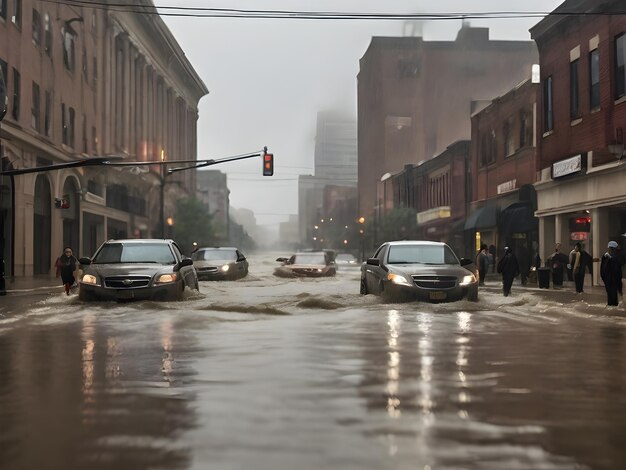
Winter Weather in Los Angeles: Atmospheric Rivers, Flooding and What Angelenos Should Prepare For
Los Angeles residents should begin preparing now for the winter season, when atmospheric rivers can bring heavy rain and flood risk to the region. Understanding what to expect and taking practical steps before wet weather arrives is the best way to protect your home and family.
The Southern California winter pattern is shaped by atmospheric rivers—corridors of moisture that flow across the Pacific and can deliver significant rainfall in short periods. For Los Angeles, this seasonal shift means transitioning from the typically dry months into a period when heavy downpours, localized flooding, and mudslide hazards become real concerns. The region's geography—with steep hillsides, urban canyons, and areas prone to debris flow—makes flood preparedness especially important for Angelenos.
What Atmospheric Rivers Mean for Los Angeles
Atmospheric rivers are elongated bands of concentrated moisture that move across the ocean and inland. When they stall or repeatedly affect the same area, they can unleash substantial rainfall. Los Angeles has experienced destructive flooding and mudslide activity during these winter events in the past, and forecasters expect the pattern to continue seasonally.
The danger isn't uniform across the metro area. Foothill and canyon communities face elevated mudslide risk after heavy rain, while low-lying neighborhoods and areas near rivers and streams are vulnerable to flooding. Urban flooding can also occur rapidly in places where drainage systems become overwhelmed.
Preparing Your Home and Property
The time to prepare is before the rain arrives. Homeowners should clear gutters and downspouts of leaves and debris, ensuring water flows away from foundations rather than pooling near structures. Check that storm drains near your property are clear. If you live near a hillside, removing dead vegetation and ensuring proper grading away from your home reduces mudslide risk.
Have supplies on hand in case of power outages or evacuation orders: flashlights, batteries, a battery-powered or hand-crank radio, first-aid kit, medications, important documents in waterproof containers, and drinking water. Prepare a plan for how your household would respond to an evacuation—know multiple routes out of your neighborhood and where you would go.
Staying Informed During Winter Weather Events
Once winter weather develops, monitoring forecasts and official alerts becomes critical. Local news, the National Weather Service, and county emergency management provide real-time updates on rainfall, flood watches, and evacuation orders. Download weather apps and enable emergency alerts on your phone.
Pay close attention to flood and mudslide warnings issued for your specific area. These are not issued lightly and indicate genuine hazard risk. If ordered to evacuate, do so promptly—delay can be dangerous.
Managing Stormwater and Drainage
After atmospheric rivers move through, standing water and saturated soil are common. Ensure gutters continue draining properly and monitor slopes on your property for signs of movement or instability. In neighborhoods where flooding recurs, some residents work with the city on drainage improvements or rain garden installations that help absorb excess runoff.
Winter weather preparedness in Los Angeles is not about panic—it's about being organized. By clearing drains, assembling supplies, knowing your evacuation routes, and staying alert to official warnings, you reduce risk to yourself and your household when atmospheric rivers bring heavy rain and flooding potential to the region.