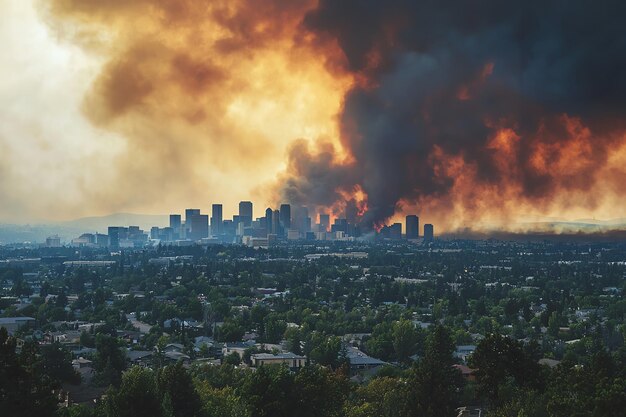
Summer in Los Angeles: Heat Waves, Wildfire Risk and How to Stay Safe and Informed
Los Angeles summers bring a familiar weather pattern: prolonged heat, low humidity, and an elevated risk of wildfires. Whether you're planning outdoor activities, securing your home, or simply preparing your family for what lies ahead, understanding these seasonal threats and how to respond can make the difference between a safe summer and a stressful one.
The months ahead will test the region's resilience. Heat waves are a regular feature of Los Angeles summers, with afternoon temperatures climbing into ranges that strain power grids and push residents indoors. The combination of heat, dry vegetation, and Santa Ana wind patterns creates conditions where wildfires can ignite and spread rapidly across the region. For residents, this means balancing daily life with practical preparedness.
What to Expect: Heat and Dryness
Summer heat in Los Angeles typically builds gradually, with afternoon temperatures reaching uncomfortable levels. The inland valleys and foothill communities often experience hotter stretches than coastal neighborhoods, which benefit from marine breezes that moderate daytime warmth. Nighttime cooling is often minimal during peak summer, keeping homes warm well into the evening.
Humidity remains low throughout the season—a double-edged condition. The dryness makes the heat feel slightly more bearable than in muggy climates, but it also dries out vegetation and soil, creating ideal fuel for fires. Forecasters monitor these conditions closely for wildfire potential.
Preparing Your Home and Family for Heat
Air conditioning becomes essential during hotter stretches. If your AC unit is aging or hasn't been serviced recently, summer is not the time to discover it's failing. Schedule maintenance early. For those without air conditioning, knowing where cooling centers are located in your area provides a crucial backup.
Stock your home with water—far more than you think you need. Heat exhaustion and dehydration happen quickly, especially to children and older adults. Keep electrolyte solutions on hand. Charge power banks and flashlights; during peak demand periods, rolling blackouts are possible. Know how to recognize heat-related illness in yourself and others: extreme fatigue, dizziness, rapid heartbeat, or confusion warrant immediate cooling and medical attention if symptoms don't improve.
Wildfire Risk and Home Hardening
Wildfires don't require a home to be in a remote area to be threatened. Communities throughout Los Angeles County have experienced evacuation orders in recent summers. Preparing now removes the panic when conditions deteriorate.
Clear dead leaves, branches, and pine needles from your roof and gutters. Trim trees within 10 feet of your home and remove lower branches. Create a defensible space around your property—a buffer zone of at least 30 feet where vegetation is thinned and dead material is removed. Use hardscape (gravel, stone) rather than mulch near the foundation.
Prepare an evacuation kit: important documents, medications, a change of clothes, a battery-powered radio, a flashlight, and irreplaceable items. Keep car keys and your go-bag readily accessible. Download emergency alert apps for your area so you're notified immediately if evacuation orders are issued.
Staying Informed During Fire Season
Sign up for emergency alerts through your county or city. These notifications arrive faster than news reports. Follow local fire department social media accounts for real-time updates on active incidents. During smoke events, monitor air quality reports to decide whether to stay indoors or limit outdoor activity.
Weather services provide regular updates on fire weather conditions—days when atmospheric patterns increase the danger of rapid fire growth. These forecasts help officials issue warnings and allow residents to finalize preparations.
Daily Life During Summer
Heat waves may mean shifting your schedule. Exercise and outdoor work early in the morning or during cooler evening hours. Stay hydrated throughout the day, not just when you feel thirsty. Pets and livestock also need shade and water; never leave them outside for extended periods during the hottest hours.
Check on neighbors, especially older adults or those living alone. A phone call during a heat wave can catch early signs of heat illness.
Summer in Los Angeles is manageable when you plan ahead. Know your evacuation routes, maintain your home's defensibility, stock essentials, and stay connected to official information sources. The season will bring heat and fire risk—that's the regional reality. Being prepared lets you face it confidently.