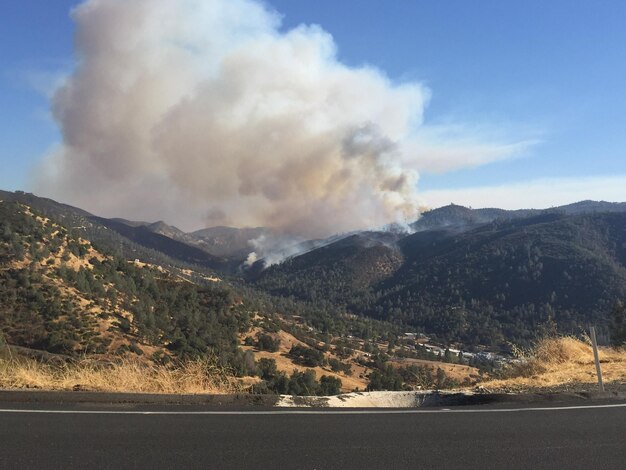
Fall in LA: Santa Ana Winds, Fire Season Peaks, and Why October Demands Extra Vigilance
As autumn settles over Los Angeles, residents need to prepare for one of the year's most dangerous weather patterns. Santa Ana winds are ramping up, fire season is reaching its peak, and October is when conditions align to create the highest risk for rapid, destructive wildfires across the region.
The combination makes this season far from the mild, pleasant fall many associate with Southern California. Instead, it's a time when weather and fire danger demand constant attention and readiness from anyone living in or near fire-prone areas.
How Santa Ana Winds Transform the Landscape
Santa Ana winds are the signature autumn and early winter weather pattern for Los Angeles and much of Southern California. They form when high pressure builds over the Great Basin and forces air down through the inland passes and canyons toward the coast. As that air compresses and descends, it warms and dries dramatically.
What makes these winds so dangerous is their intensity and their timing. They arrive from the inland east and northeast, pushing directly into populated foothill and mountain communities. Gusts can reach dangerous speeds, and the air they bring is exceptionally dry—the opposite of what naturally suppresses fire growth.
During Santa Ana events, relative humidity can drop to very low levels, making vegetation tinder-dry and ready to ignite. A single spark or unattended fire can spread with alarming speed. Trees and brush that have spent the hot summer under stress become fuel waiting for the right conditions.
Why October Is Critical
October marks the transition into the most active Santa Ana season. While these winds can occur any month from August through April, the combination of Santa Ana winds, dry vegetation from summer heat, and the beginning of the region's dry season creates a perfect storm for fire ignition and spread.
Forecasters monitor these conditions closely as the season unfolds. Residents in foothill communities, canyons, and areas near vegetation should remain alert to wind advisories and fire weather warnings. These alerts signal times when conditions favor rapid fire growth and when defensible space and evacuation readiness matter most.
Brush that hasn't burned in years accumulates, and summer heat stress leaves plants more flammable. When Santa Ana winds arrive, that fuel is primed to burn. October often catches some communities before they've fully prepared for the season.
Preparing Your Home and Family
The elevated fire risk during Santa Ana season means taking steps well before dangerous winds arrive. Clearing dead leaves and branches from gutters and roofs removes easy fuel. Trimming tree branches away from structures and creating space between trees reduces the ladder of fuel that allows fires to climb. Removing dead plants and brush from the yard is essential.
Having an evacuation plan isn't optional during peak fire season. Knowing your evacuation zone, having a go-bag ready, and understanding multiple escape routes can mean the difference between an orderly departure and a frantic scramble. Families with pets, elderly members, or those with mobility challenges need plans tailored to their specific needs.
Staying informed during Santa Ana events is crucial. Monitoring local fire department social media, weather forecasts, and emergency alerts keeps you aware of changing conditions. Many communities now offer alert systems that notify residents of evacuation orders or warnings in real time.
The Seasonal Pattern Ahead
As fall progresses, Santa Ana wind events will become more frequent and intense. Fire season doesn't end with October—it extends into the winter months. The dry season that defines Southern California's autumn and early winter means fire risk remains elevated for months.
The lesson for Los Angeles residents is clear: Santa Ana winds and peak fire season demand respect and preparation. October is when many of those conditions are strongest, making vigilance and readiness non-negotiable for anyone in fire country.