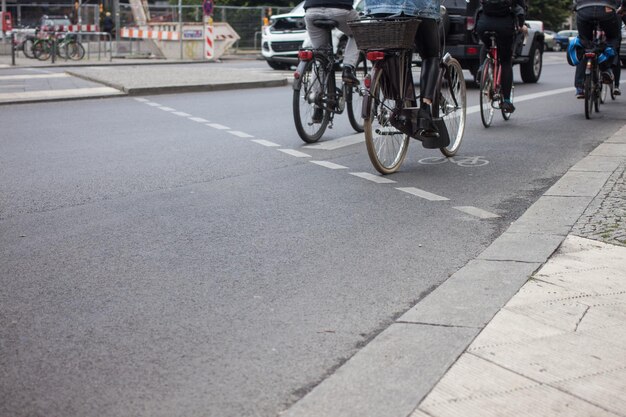
LADOT Redesigns Pico Boulevard Corridor With Protected Bike Lanes and New Pedestrian Signals
Los Angeles is overhauling Pico Boulevard with protected bike lanes and upgraded pedestrian signals, a project that will reshape how people move through a major city corridor. The redesign affects drivers, cyclists, and pedestrians alike, and commuters should prepare for potential traffic pattern changes during implementation.
The Los Angeles Department of Transportation announced the corridor improvements to better balance vehicle traffic with safer conditions for people on bikes and foot. The project adds physical separation for cyclists and installs new pedestrian crossing infrastructure, reflecting a broader shift in how the city manages its busiest streets.
What Drivers Should Expect
The protected bike lane installation typically requires lane reconfigurations, which can reduce the number of available vehicle lanes in one or both directions. During peak commute hours, this narrowing may slow traffic flow and increase congestion on the corridor itself. Drivers accustomed to using Pico as a through-route should consider timing flexibility or exploring parallel streets during construction phases.
The transportation department has noted that such corridor work often proceeds in sections, meaning impacts will be geographically staggered rather than citywide all at once. This staged approach limits disruption to any single area but extends the overall project timeline.
The Protected Bike Lane Design
Protected bike lanes differ from standard painted lanes because they use physical barriers—bollards, planters, or parking-protected designs—to separate cyclists from vehicle traffic. This design reduces conflicts between cars and bicycles, particularly at intersections where right-turn collisions are common.
For drivers, protected lanes mean clearer boundaries and less uncertainty about where bicyclists will be. The tradeoff is tighter road geometry and, in some cases, loss of on-street parking or right-turn flexibility. The transportation department said the safety benefits for all users justify these operational adjustments.
Pedestrian Signal Improvements
New pedestrian signals typically include extended crossing times, leading pedestrian intervals that give walkers a head start before turning vehicles enter an intersection, and high-visibility signal heads. These additions increase safety but also extend signal cycles, which can affect vehicle throughput during peak periods.
Drivers should anticipate longer red lights as pedestrian crossing phases expand. Patience at signalized intersections along the corridor is essential, especially during morning and evening rush hours when foot traffic peaks.
Planning Your Commute
Commuters who rely on Pico Boulevard for their daily route should monitor local traffic updates as work progresses. Construction schedules often shift, and unexpected delays can ripple through adjacent streets as drivers seek detours. Building extra time into your commute during the project phases is prudent.
Public transit options that parallel or intersect the corridor may offer temporary alternatives, though schedules and routing should be verified directly with the transit authority. Carpooling and flexible work hours, where available, can also ease congestion pressure during peak construction windows.
Why This Matters for the Corridor
Pico Boulevard serves diverse neighborhoods and connects residential areas to employment centers, retail, and services. The corridor handles significant daily traffic volume and is also heavily used by cyclists and pedestrians, especially near schools and transit hubs. Balancing these competing needs through design—rather than simply accepting conflict—reflects a deliberate choice to prioritize safety alongside mobility.
The protected bike lane design and new pedestrian signals are intended to encourage more people to walk and cycle safely, potentially reducing vehicle-only trips over time. From a traffic management perspective, a shift toward multimodal transportation can alleviate pressure on parking and driving lanes.
Moving Forward
Drivers sharing the corridor with new bike infrastructure and enhanced pedestrian facilities should expect a period of adjustment. Familiarity with the new layout, awareness of wider signal cycles, and acceptance of slower traffic speeds during peak hours are part of adapting to redesigned streets.
The Los Angeles Department of Transportation continues to balance vehicle throughput with safety and accessibility. Pico Boulevard's transformation exemplifies that ongoing tension—one that requires patience and planning from everyone who uses the road.