Altadena's Historic Black Neighborhoods Begin Rebuilding With New Housing Projects and Community Planning
Altadena is embarking on a reconstruction effort centered on new housing development and coordinated community planning in its historically Black neighborhoods. The initiatives signal a shift toward deliberate reinvestment in areas that have long anchored the region's cultural and economic identity.
The rebuilding represents a significant moment for local residents, workers, and small business owners who depend on stable neighborhoods and housing availability. New construction projects and planning efforts are expected to shape employment opportunities, consumer spending patterns, and property values across the community.
Housing Development as Economic Driver
New residential construction typically generates demand for trades workers, material suppliers, and logistics services. As projects move forward, contractors, laborers, and related businesses stand to benefit from sustained activity. Local supply chains—from building materials to equipment rental—may see increased business as development accelerates.
Beyond immediate construction work, new housing units influence long-term economic health. Residential stability attracts retail investment, supports local services, and creates a foundation for homeownership wealth-building among residents. In historically underinvested neighborhoods, housing development often catalyzes broader commercial activity.
The scale and pace of these projects will determine their economic reach. Smaller infill developments have different multiplier effects than large residential complexes. Whether construction prioritizes local hiring and supply contracts affects how widely economic benefits distribute within the community.
Community Planning and Local Input
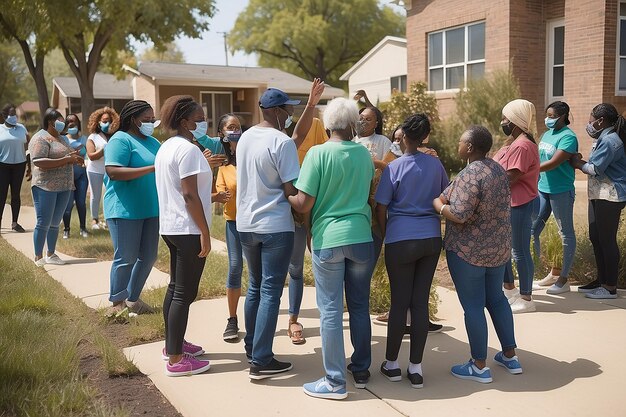
Effective rebuilding typically requires coordination between residents, municipal authorities, developers, and nonprofit organizations. Community planning processes shape what gets built, who can afford it, and how new development integrates with existing neighborhoods.
Planning that centers resident voices tends to produce outcomes better aligned with local needs—whether that means affordability requirements, commercial space for local entrepreneurs, or design that preserves neighborhood character. These processes take time and demand sustained engagement, but they influence whether rebuilding strengthens or displaces existing communities.
Workforce and Business Opportunities
Construction and development create near-term employment for skilled and unskilled workers. Electricians, carpenters, plumbers, and general laborers find work on active job sites. Material delivery, equipment operation, and site management add to the labor demand.
Beyond construction itself, new housing attracts service businesses—grocery stores, salons, restaurants, repair shops, and professional services. Existing small business owners may see increased customer bases, while new entrepreneurs may identify opportunities to serve growing residential populations. The health of these secondary economic effects depends partly on whether businesses can access capital, commercial space, and customer bases as neighborhoods change.
Long-Term Economic Implications
Rebuilding in historic neighborhoods carries both opportunity and risk. Successful development can restore property values, attract investment, and provide long-term housing stability for families. It can anchor retail districts and support the institutions—churches, schools, nonprofits—that define community life.
Conversely, rapid development without affordability protections or community input can trigger displacement through rising rents and property taxes. Existing residents and businesses may find themselves priced out as neighborhoods appreciate. How Altadena manages this tension—through rent controls, community land trusts, local hiring requirements, or other mechanisms—will shape whether rebuilding benefits those already rooted there.
Next Steps for the Community
The success of housing projects and community planning in Altadena will depend on sustained coordination among all stakeholders. Transparent timelines, accessible funding information, and opportunities for resident participation help build confidence in the rebuilding process. Local officials, developers, and community organizations will need to maintain alignment on priorities and outcomes.
For workers, entrepreneurs, and residents in historic Altadena neighborhoods, the current moment offers both immediate economic activity and the possibility of longer-term stability. How these new housing projects and planning initiatives unfold will shape the neighborhood's trajectory for years to come.